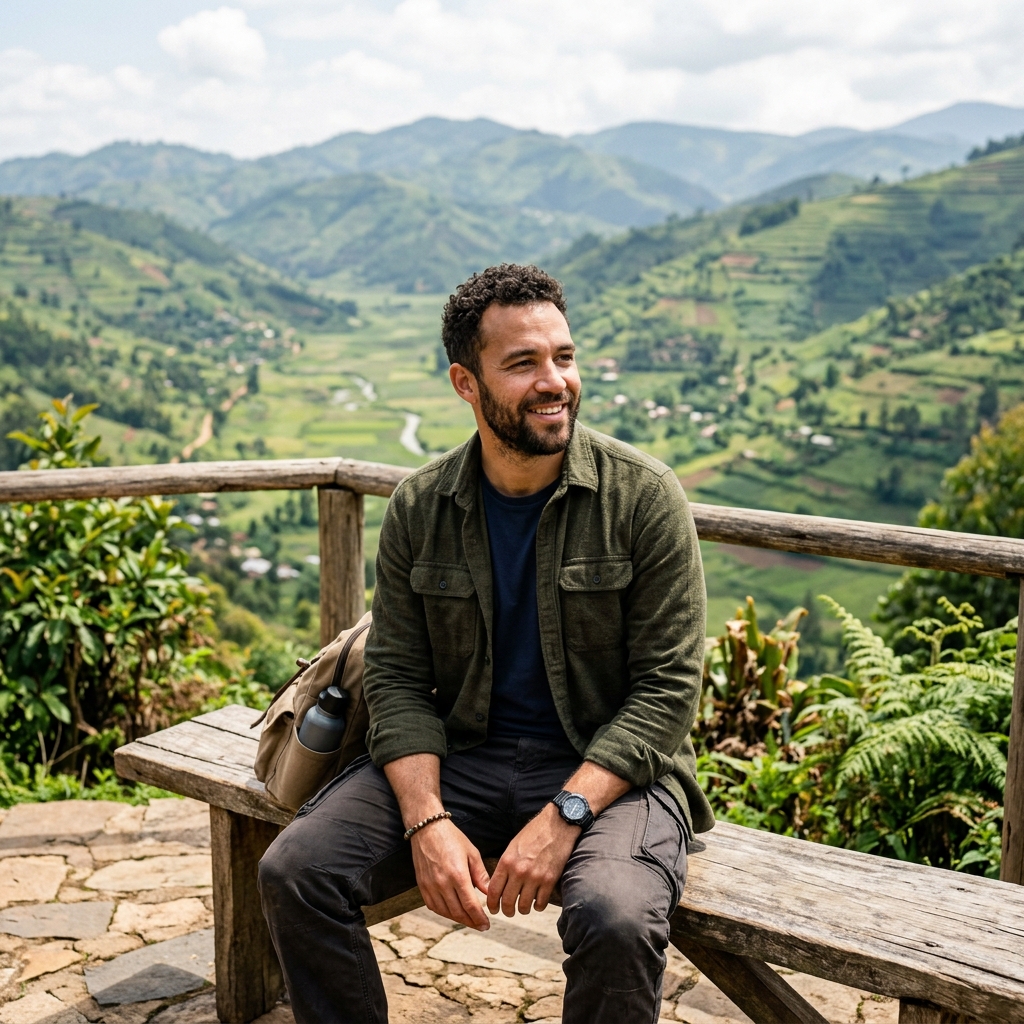
Why Teach in Rwanda?
Teaching in Rwanda offers a unique and enriching experience for educators looking to make a meaningful impact in a vibrant and evolving educational landscape. As a teacher in this East African nation, you will have the opportunity to engage with enthusiastic students eager to learn and grow. The education system is undergoing significant reforms aimed at improving quality and accessibility, which means that teachers can play a crucial role in shaping the future of Rwanda’s youth. The sense of purpose and fulfillment derived from contributing to this transformative journey is unparalleled.
Living in Rwanda also provides a chance to immerse yourself in a rich cultural tapestry. The local communities are known for their warmth and hospitality, making it easy for teachers to build connections and friendships. The cost of living is relatively low, allowing for a comfortable lifestyle while enjoying the diverse culinary scene, vibrant markets, and breathtaking natural landscapes, including the iconic Volcanoes National Park and Lake Kivu. Additionally, the expat community is growing, offering a supportive network for teachers and their families, with various social events and activities that foster a sense of belonging.
Moreover, Rwanda's strategic location in East Africa makes it an ideal base for regional travel. Teachers can explore neighboring countries like Uganda, Tanzania, and Kenya during weekends or school holidays, enriching their personal and professional experiences. The government’s focus on education and development also means that teachers may benefit from competitive salaries and potential tax incentives, making it an attractive destination for those looking to advance their careers while enjoying a fulfilling lifestyle abroad. Overall, teaching in Rwanda is not just a job; it’s an opportunity to be part of a dynamic change and contribute to a brighter future.
Salary Expectations
International schools in Rwanda generally offer outstanding renumeration. Many packages include housing allowances, medical coverage, and annual return flights.
| Role Parameter | Monthly Estimate (USD) | Annual Estimate (GBP equiv.) |
|---|---|---|
| NQT / Early Career | $2,000 – $2,800 | £19,000 – £26,500 |
| Established Teacher | $2,800 – $4,000 | £26,500 – £38,000 |
| Head of Department | $3,800 – $5,500 | £36,000 – £52,000 |
| SLT / Leadership | $6,000 – $12,000+ | £57,000 – £115,000+ |
Cost of Living
To accurately interpret your savings potential in Rwanda, you must factor in the extremely low overheads on foundational living aspects like transport, dining out, and daily operations.
Monthly Budget Framework
| Expense Category | Monthly Allowance (Local Est) |
|---|---|
| Local Dining & Groceries | Moderate / Accessible |
| Western / Premium Dining | Highly Available |
| App-based Transport | Very Affordable |
| High-Speed Internet | Generally Under $40 |
| Luxury Gym / Country Club | Varies Wildly |
With housing broadly covered by the sponsoring institution, single teachers routinely save over 40-60% of their take-home pay, funding extreme global travel during the long summer breaks.
Visa and Onboarding Dynamics
Moving to Rwanda involves a structured pipeline:
- Initial Agreement: You will likely receive a digital Letter of Intent followed by a formal contract.
- Attestations: Prepare to have your degree certificates, teaching qualifications (PGCE/QTS), and recent police checks formally notarized and attested by your local embassy.
- Flight & Arrival: The destination school will process the bulk of your entry visa requirements in the weeks leading up to your flight. Upon landing, a representative usually intercepts you at the airport.
- Residency: Within your first 30 days, HR departments typically facilitate the conversion from an entry visa to a permanent multi-year working residency permit.
Your Next Steps
Are you ready to explore current live vacancies across Rwanda? Dive into the Spill.org search platform to view our verified, curated international teaching roles.


